App Development, Modernisation & Support
We build stable, high-performance mobile apps from MVP to mature products. That includes UX, development, integrations, store release, analytics, and post-launch support.
What’s Included
End-to-end services across the full app lifecycle, from user flows and prototype to release and ongoing updates.
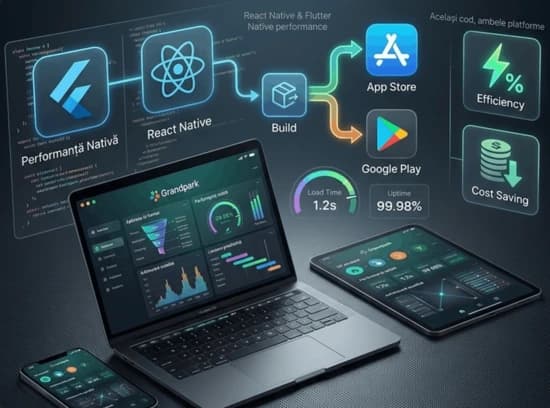
Cross-Platform Mobile Apps
Ship fast on iOS and Android with high performance and efficiency.
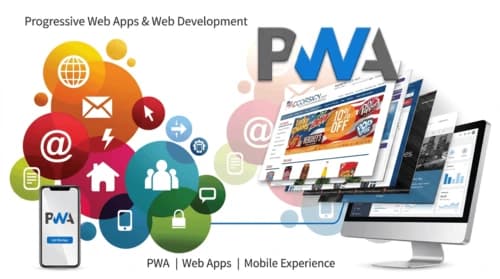
PWA & Web Apps
Fast, installable web apps optimized for mobile.
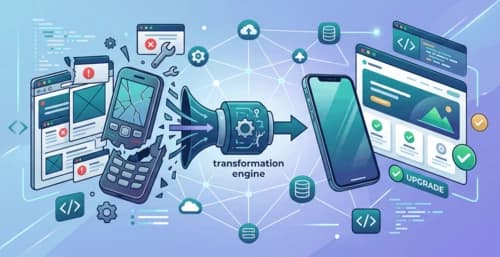
App Modernisation
Refactors, performance upgrades, and tech stack updates.

UI/UX & Design Systems
Clear interfaces, interactive prototypes, and consistency.
Timeline, budget, and collaboration
Short answers to the practical questions that usually come up before a project starts.
Typical timeline
A well-scoped mobile MVP typically takes 6-10 weeks, depending on screen count, integrations, authentication, and store-release requirements.
Budget framing
Budget depends on platforms, flow complexity, APIs, push notifications, and analytics. We clarify it after defining the first version that needs to ship.
How we work
We start with user flows, key screens, and product goals, then validate design and development quickly in short stages with real-device testing.
Post-launch support
We can cover maintenance, updates, crash fixes, new features, and App Store / Google Play support after launch.
Technology stack for mobile apps
Native-like, high-performance iOS and Android experiences.
Mobile
Native or cross-platform apps.

Back-end
Auth, APIs, and notifications.





3rd party integration
Payments and external services connected directly into the product.


Mobile
Native or cross-platform apps.
Back-end
Auth, APIs, and notifications.
3rd party integration
Payments and external services connected directly into the product.
What we solve concretely
The operational or growth problems we address directly through the project.
- Drop-off in the first screens
- Flows that are hard to understand
- Value that is hard to grasp quickly
- Slow response time
- Errors on real devices
- Uneven experience across platforms
- Important tasks hidden in the UI
- Navigation that creates friction
- Critical actions that are hard to complete
- Delayed store reviews
- Fixes that are hard to roll out
- Weak visibility after release
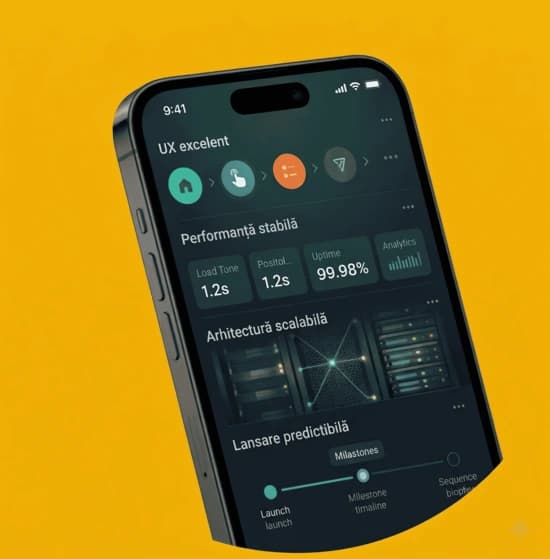
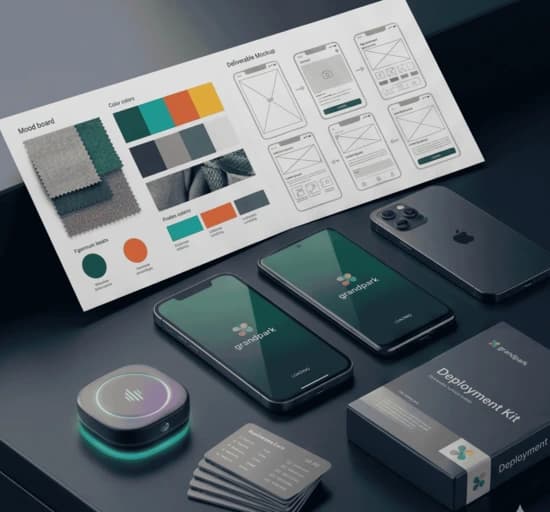
What you get
Clear deliverables ready to use and scale.
- Wireframes and flows for onboarding, retention, and key user actions
- Clear structure for the main screens and the critical moments in the app
- UI direction adapted to mobile usage patterns and constraints
- Implementation for screens, navigation, authentication, and core logic
- Connections to APIs, notifications, and relevant third-party services
- Technical base prepared for new releases and product expansion
- Essential events for onboarding, conversion, and retention tracking
- Tools for crashes, errors, and behavior monitoring inside the app
- A clear base for post-launch decisions, not just debugging
- Preparation for the App Store and Google Play, including assets and checklists
- Support for the first release, validation steps, and quick fixes
- A cleaner starting point for future updates and maintenance
What a well-scoped first mobile release can include
The first release should be clear and stable enough to validate the product, not overloaded with secondary features that slow everything down.
Customer app MVP
A first release centered on onboarding, authentication, account access, notifications, and one primary flow that can be measured clearly.
- UX/UI for the first essential screens
- Authentication, profile, and secure sessions
- Push notifications and baseline analytics
- Preparation for App Store and Google Play release
Internal field app
Useful for data capture, statuses, photos, confirmations, and phone-assisted execution in day-to-day operations.
- Forms, validations, and fast actions
- Photo attachments and backend sync
- Role-based access by user or team
- Support for variable-connectivity scenarios
Modernisation and relaunch
For existing apps that need better UX, more stable performance, and a more predictable release process.
- UX audit and prioritization of critical issues
- Refactoring of core flows and screens
- Crash reporting, analytics, and real-device QA
- Preparation for an update or store relaunch
Questions clients ask before a mobile project
Practical questions about platform choice, cost, launch, and support before we define the first app release.
It depends on the product, budget, release speed, and the level of native functionality required. In many cases, cross-platform is enough for a strong MVP, while native makes more sense when deeper platform-specific behavior is essential.
The main user flow, authentication when needed, the essential screens, analytics, notifications where relevant, and store-release preparation. We do not recommend loading the MVP with too many secondary features.
Yes. We can prepare the builds, baseline assets, technical setup, and release steps so the launch does not get blocked on the operational side.
Yes. We can continue with maintenance, bug fixing, UX improvements, new features, analytics review, and support for future releases.